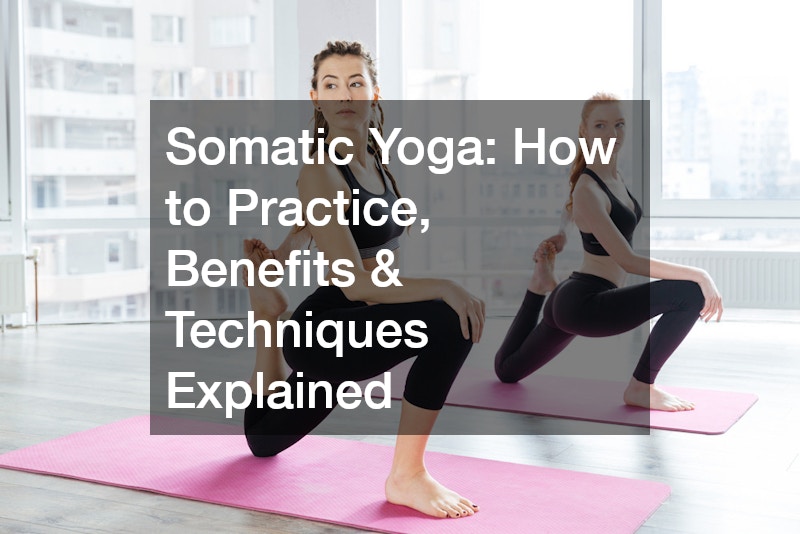
- Somatic yoga uses gentle, mindful movements to release tension, improve body awareness, and support weight loss naturally.
- Unlike intense workouts, somatic yoga focuses on stress reduction, which lowers cortisol and prevents weight gain.
- Studies show that mindful movement practices can improve metabolism, reduce overeating, and encourage sustainable fat loss.
- Perfect for beginners and individuals of all ages, somatic yoga promotes holistic well-being alongside physical fitness.
- Consistency in practice leads to long-term transformation—not just in weight but also in posture, energy, and self-confidence.
- Works best when combined with balanced nutrition, mindful eating, and overall lifestyle changes.
Introduction – Gentle Movement for Real Weight Loss
Australia is currently facing a health challenge: according to the Australian Institute of Health and Welfare (AIHW), nearly 63% of adults are overweight or obese. While gyms, boot camps, and high-intensity training sessions dominate the fitness scene, many Australians struggle to stick with such demanding routines. For beginners, those dealing with chronic pain, or people with busy schedules, traditional weight loss methods often feel intimidating, unsustainable, or even discouraging.
This is where somatic yoga steps in as a refreshing alternative. Unlike fast-paced workouts, somatic yoga emphasises gentle, mindful movement combined with breath awareness and body sensing. Instead of pushing the body to exhaustion, it retrains the nervous system, reduces stress, and helps practitioners reconnect with their natural movement patterns.
The modern science behind somatic practices is compelling. Research from Harvard Health shows that stress-related weight gain impacts nearly 40% of adults, with high cortisol levels leading to fat storage, particularly around the abdomen. By lowering stress and encouraging relaxation, somatic yoga directly addresses one of the hidden drivers of weight gain.
At the same time, Australians are turning toward yoga more than ever. Data from Yoga Australia reveals that participation in yoga has grown by 32% in the last decade, showing a clear trend toward holistic, accessible wellness practices. Somatic yoga builds on this movement by combining traditional yoga postures with somatic awareness, making it ideal for anyone looking to lose weight without burnout or injury.
In this comprehensive guide, we’ll explore:
- What somatic yoga is and why it’s different from traditional yoga.
- The science behind how mindful movement impacts metabolism and weight.
- The specific benefits of somatic yoga for weight loss—physical, mental, and emotional.
- Key techniques, poses, and routines you can begin today.
- Tips for integrating somatic yoga into your weight loss journey, plus real-life success stories.
- Common myths that might hold you back.
By the end, you’ll see that weight loss doesn’t have to mean punishing workouts or restrictive diets. Instead, gentle, consistent practice can lead to lasting transformation—helping you feel lighter, calmer, and more connected to your body.
What is Somatic Yoga?
Origins of Somatic Movement
The word somatic comes from the Greek term soma, meaning “the living body.” In the 1970s, educator Thomas Hanna developed the field of “Hanna Somatics,” which focused on retraining the brain-to-muscle connection to release chronic tension. By integrating these principles with yoga, practitioners developed somatic yoga—a therapeutic form of movement that blends mindfulness, breath, and gentle postures.
The philosophy is simple: by slowing down and sensing the body from within, we can reset muscular patterns, improve flexibility, and release unconscious tension. Unlike traditional fitness practices that emphasise external form, somatic movement prioritises internal awareness.
How Somatic Yoga Differs from Traditional Yoga
Traditional yoga often focuses on achieving specific postures or flowing sequences like Vinyasa. Somatic yoga, however, is less about “performing” and more about “feeling.” Movements are slow, often exploratory, with an emphasis on quality over quantity.
For example, instead of holding a Warrior Pose for strength, a somatic yoga session might involve subtle pelvic tilts or micro-movements in the spine to restore natural mobility. This makes it especially suitable for beginners, older adults, or those with injuries.
Why Somatic Yoga Works for Weight Loss
Weight loss is often associated with intense cardio sessions, restrictive diets, and high-impact exercise. However, research increasingly shows that slower, mindful practices like somatic yoga can support sustainable weight management in unique and highly effective ways. Unlike conventional workouts that emphasize burning calories quickly, somatic yoga works by targeting the root causes of weight gain—stress, poor posture, lack of body awareness, and inefficient energy use. Let’s break down the science and practical benefits:
Stress Reduction and Cortisol Control

One of the biggest contributors to stubborn weight gain, particularly around the midsection, is elevated cortisol, the stress hormone. When cortisol levels remain high for long periods, the body tends to store more fat, especially visceral fat near the organs. Somatic yoga offers a powerful antidote. Through slow, mindful movements combined with breathwork, the practice engages the parasympathetic nervous system—the “rest and digest” mode. This helps lower cortisol, reduce inflammation, and bring the body into balance. Over time, this stress management effect not only prevents weight gain but also makes weight loss more achievable and sustainable.
Improved Body Awareness and Mindful Eating
Another unique way somatic yoga supports weight loss is by cultivating interoception, or internal body awareness. Practitioners often report feeling more in tune with hunger and fullness cues, which naturally leads to healthier food choices. Unlike rigid dieting, this process promotes mindful eating—choosing foods that truly nourish rather than eating out of habit or stress. For many, this shift is the missing piece in overcoming emotional or unconscious eating patterns, which are often linked to weight challenges.
Better Posture and Energy Use
Few people realize that poor posture does more than affect appearance—it can also slow down digestion, restrict lung capacity, and reduce energy efficiency. When organs are compressed due to slouching or misalignment, metabolism and nutrient absorption suffer. Somatic yoga retrains the body to move with greater ease and alignment, correcting posture over time. This improved posture not only enhances digestion but also optimizes the way energy is used, meaning that everyday activities—from walking to sitting—require less effort and burn calories more efficiently.
Gentle Calorie Burn
While somatic yoga isn’t a “high-burn” workout like running or HIIT, it offers a steady, sustainable form of calorie expenditure. The gentle, controlled movements engage deep muscle groups, improve circulation, and enhance joint mobility. For individuals who may struggle with high-impact exercise due to joint pain, age, or low fitness levels, somatic yoga provides a safe yet effective way to stay active. Additionally, the cumulative benefits—stress reduction, mindful eating, improved posture, and metabolic efficiency—amplify the long-term calorie-burning potential.
In essence, somatic yoga doesn’t just help you burn calories—it transforms the way your body manages stress, energy, and food, laying the foundation for long-term, holistic weight loss.
Gentle Somatic Yoga Moves for Weight Loss
(Note: Always consult with a health professional before starting any new practice.)
Somatic yoga emphasizes slow, mindful movements that retrain your body’s habitual patterns, reduce tension, and improve posture. Unlike traditional high-intensity workouts, these movements are safe, restorative, and ideal for anyone who wants to lose weight without stressing their joints or triggering injury. Each gentle move engages the nervous system, strengthens muscles, and enhances body awareness—factors that support long-term weight management.
Below are five foundational somatic yoga practices tailored for weight loss:
Pandiculation (Full Body Stretch & Release)
Pandiculation is one of the cornerstones of somatic movement. It mimics the natural stretching reflex that cats and dogs perform after waking up. Instead of a static stretch, it involves gently contracting, then slowly releasing muscles, which resets the nervous system.
How to practice:
- Lie on your back in a comfortable position.
- Inhale as you slowly stretch your arms overhead and extend your legs, feeling a slight contraction through your body.
- Exhale as you release tension and melt into relaxation.
- Repeat 3–5 times, moving as slowly as possible.
Benefits for weight loss:
Pandiculation releases stored tension in the muscles, which often causes stiffness, poor posture, and energy blockages. When tension dissolves, the body moves more efficiently, reducing unnecessary calorie expenditure on holding stress. Over time, this practice helps regulate the nervous system, lowers cortisol, and prevents stress-related weight gain.
Somatic Side Bend
This gentle move lengthens the side body, improves spinal flexibility, and tones the waistline—areas often affected by stiffness from prolonged sitting.
How to practice:
- Lie on your back with knees bent, feet flat on the floor.
- Slowly press into one foot and lift the hip slightly while reaching the same-side arm overhead.
- Feel the elongation through your ribcage and waist.
- Exhale and return to the starting position.
- Repeat 4–6 times on each side.
Benefits for weight loss:
The side bend activates the oblique muscles, improves posture, and opens up the ribcage, which aids in better breathing efficiency. Improved oxygen flow enhances calorie burning and supports digestion. This subtle toning movement helps shape the midsection without strain.
Pelvic Tilts for Core Activation
Pelvic tilts strengthen the core muscles, stabilize the lower back, and improve digestion—all essential for sustainable weight loss.
How to practice:
- Lie on your back with knees bent, feet hip-width apart.
- Inhale and slightly arch your lower back.
- Exhale and gently tilt your pelvis upward, pressing your lower back into the mat.
- Engage your lower abdominal muscles as you move.
- Repeat slowly for 8–10 rounds.
Benefits for weight loss:
This simple yet powerful movement builds deep core strength without crunches or sit-ups, making it accessible to beginners and people with back pain. A stronger core improves posture, digestion, and energy usage, helping the body burn calories more efficiently.
Somatic Twist
Twisting motions gently massage the digestive organs, support spinal mobility, and release stored tension in the torso.
How to practice:
- Lie on your back, knees bent.
- Let your knees fall gently to one side while extending your opposite arm out in the other direction.
- Keep your shoulders grounded and breathe deeply into the twist.
- Stay for 3–5 breaths, then return to center and switch sides.
Benefits for weight loss:
Twists are known to stimulate digestion, reduce bloating, and improve circulation in the abdominal area. By supporting gut health and nutrient absorption, they indirectly aid weight loss while enhancing spinal flexibility.
Breathing Awareness Practice
Breathing is often overlooked in weight-loss strategies, but somatic yoga highlights its importance. Conscious breathing enhances relaxation, reduces stress-related eating, and supports metabolic balance.
How to practice:
- Sit or lie down in a comfortable position.
- Place one hand on your belly and the other on your chest.
- Inhale slowly through the nose, expanding your abdomen fully before your chest rises.
- Exhale gently, allowing the belly to soften and release.
- Continue for 5–10 minutes, focusing only on your breath.
Benefits for weight loss:
Deep belly breathing activates the parasympathetic nervous system, reducing stress and preventing cortisol-driven cravings. It also improves oxygenation, helping the body burn fat more efficiently. Many people notice reduced emotional eating patterns after consistent breathing practice.
Final Thoughts on Gentle Moves
Somatic yoga is not about fast results or burning hundreds of calories in a single session. Instead, it focuses on resetting the nervous system, releasing stress, and retraining the body to move with ease. By combining these gentle movements with mindful eating and consistent practice, individuals can achieve gradual, sustainable weight loss without strain or burnout.
Daily Integration of Somatic Yoga
While somatic yoga is powerful in structured practice sessions, its true benefits unfold when integrated into daily routines. By weaving gentle movements and awareness into everyday life, you create lasting changes in stress levels, posture, energy balance, and overall well-being—all of which support healthy weight management. Here’s how you can practice somatic yoga throughout your day:
Morning Routine
Starting the day with a brief somatic yoga sequence can set a positive tone for the hours ahead. Even a 5–10-minute practice of full-body stretches, gentle pelvic tilts, or mindful breathing awakens muscles, increases circulation, and boosts energy. This mindful start helps reduce morning stiffness, encourages better posture, and supports calm focus. Pairing the practice with intention-setting—such as committing to mindful eating or stress management—enhances motivation and reinforces the connection between mind and body.
Work Breaks
Modern work often involves sitting for long hours, leading to tension in the shoulders, neck, and lower back. Integrating 2–3 minutes of somatic yoga during breaks can counteract this strain. Simple movements like seated twists, shoulder rolls, or standing side bends improve spinal mobility, release muscular tension, and reset breathing patterns. These micro-practices not only reduce workplace stress but also sharpen focus and productivity. Over time, these short breaks prevent chronic tension buildup that often contributes to fatigue and stress-related weight gain.
Evening Practice
Dedicating 10–15 minutes of gentle somatic yoga before bed encourages relaxation and better sleep quality. Poses such as the somatic twist, gentle side bends, and deep belly breathing calm the nervous system, reduce cortisol levels, and release the day’s accumulated stress. A consistent evening practice can also help curb late-night snacking, since relaxation techniques reduce emotional eating triggers. When combined with mindful breathing, this practice enhances digestion and prepares both body and mind for restorative sleep—a key factor in maintaining a healthy metabolism.
Mindful Everyday Movement
Somatic yoga extends beyond the mat—it’s about cultivating awareness in all daily movements. Whether walking, cooking, or sitting at a desk, practicing posture alignment, relaxed breathing, and gentle core engagement creates a more efficient use of energy. For example, standing tall while cooking reduces back strain, and mindful walking enhances circulation and calorie burn. These small, intentional adjustments accumulate over time, supporting weight management and overall vitality.
Success Stories and Evidence
Scientific research and personal accounts highlight the effectiveness of somatic yoga for weight management and overall well-being. A 2019 study published in the International Journal of Yoga demonstrated that mindfulness-based yoga interventions significantly improved weight management outcomes among overweight adults. Unlike traditional exercise programs that often emphasize calorie burning, this approach encouraged participants to build awareness of body sensations, eating patterns, and stress responses. The results showed not only modest weight reduction but also improved long-term lifestyle changes, suggesting that somatic practices can be more sustainable than short-term diets.
Beyond clinical research, many practitioners report noticeable benefits in daily life. Individuals who incorporate somatic yoga into their routines often describe experiencing better sleep quality, which plays a vital role in regulating metabolism and appetite. Others mention a reduction in food cravings, particularly those triggered by stress or emotional discomfort. This shift is attributed to the calming effect of somatic yoga on the nervous system, which helps reduce the cycle of tension and emotional eating. Improved digestion is another frequently cited outcome, as deep breathing and gentle movement stimulate the parasympathetic system, supporting optimal digestive function.
Case studies further illustrate these transformations. For example, individuals struggling with long-term weight fluctuations have found success not by counting calories or following strict diets, but by cultivating mindful awareness of their bodies. By addressing underlying stress, tension, and emotional triggers, they developed healthier relationships with food and exercise. Instead of relying on external restrictions, somatic yoga guided them toward internal regulation, making weight management a natural by-product of holistic balance.
Together, this combination of scientific evidence, practitioner reports, and case studies underscores the unique role of somatic yoga in fostering sustainable weight management—rooted in self-awareness, stress reduction, and mind-body harmony.
Common Misconceptions about Somatic Yoga
When people hear about somatic yoga, they often assume it’s simply a slower, gentler form of traditional yoga. While the movements are indeed soft and mindful, the purpose goes far deeper—addressing the nervous system, releasing muscular tension, and reshaping long-held patterns in the body and mind. Let’s clear up some of the most common misconceptions:
“It’s Just Gentle Stretching”
At first glance, somatic yoga may look like stretching, but it’s actually about retraining how your brain and body communicate. The focus is not on forcing flexibility but on pandiculation—a process of contracting, releasing, and lengthening muscles to reset neuromuscular control. This creates lasting freedom in movement and improves posture, balance, and energy levels.
“It’s Only for the Elderly”
Because somatic yoga is slow and accessible, many assume it’s designed only for older adults. In reality, people of all ages benefit. Teenagers can use it to reduce stress from studies, athletes can improve performance and recovery, and adults of all fitness levels can address chronic pain, stiffness, and weight management goals.
“It’s Not a Real Workout”
Somatic yoga doesn’t rely on high-intensity exercise, but that doesn’t mean it lacks physical benefits. The controlled movements activate deep muscle groups, strengthen the core, and improve mobility. Over time, it enhances endurance, supports metabolism, and encourages mindful eating habits—all essential for sustainable weight loss.
“It’s a Quick Fix”
Some expect instant results, but like any transformative practice, somatic yoga requires consistency. The benefits unfold gradually—better sleep, improved digestion, less emotional eating, and healthier body composition. With regular practice, these changes compound into long-term wellness.
In truth, somatic yoga is not about doing more—it’s about doing differently, with mindfulness, awareness, and patience.
Integrating Somatic Yoga with Other Weight Loss Strategies
Somatic yoga works best when combined with other sustainable lifestyle practices. While it helps reset the nervous system, release muscular tension, and support mindful awareness of the body, pairing it with complementary strategies can amplify weight loss results and improve overall well-being.
Balanced Nutrition
No movement practice can fully counteract poor dietary habits. A balanced diet rich in whole foods—fruits, vegetables, lean proteins, and healthy fats—supports the body’s natural metabolism. Somatic yoga enhances body awareness, which can make it easier to notice hunger and fullness cues, helping you avoid overeating. When paired with proper nutrition, the mindful aspect of yoga encourages slower, more intentional eating and reduces reliance on emotional eating.
Light Cardio and Daily Movement
Adding walking, cycling, or swimming to your routine boosts cardiovascular health and calorie burn. Somatic yoga prepares the body for these activities by improving mobility, posture, and alignment, reducing the risk of strain or injury. Even 20–30 minutes of brisk walking daily, combined with a short somatic yoga session, can help regulate energy expenditure while keeping the body resilient and balanced.
Mindfulness and Stress Management
Stress often drives weight gain through emotional eating and hormonal imbalances. Incorporating mindfulness practices such as meditation, journaling, or breathwork alongside somatic yoga builds emotional resilience. The combination helps regulate cortisol levels, reduces cravings, and supports a calmer relationship with food and body image.
When integrated thoughtfully, somatic yoga is not just an exercise routine but part of a holistic lifestyle. By combining mindful movement with nutrition, cardio, and stress management, you create a well-rounded, sustainable path to weight loss and overall wellness.
Frequently Asked Questions (FAQs) about Somatic Yoga for Weight Loss
- What makes somatic yoga different from regular yoga?
Somatic yoga focuses on mindful movement and nervous system re-education rather than holding traditional postures. It emphasizes slow, controlled exercises that release chronic tension and build body awareness. This makes it especially effective for people dealing with stress, stiffness, or emotional eating patterns. - Can somatic yoga alone help me lose weight?
Somatic yoga supports weight loss by reducing stress, improving metabolism, and encouraging mindful eating. However, it works best when combined with other strategies such as balanced nutrition, light cardio, and healthy sleep habits. It’s not a high-calorie-burning activity on its own but plays a key role in sustainable, long-term results. - Is somatic yoga suitable for beginners or overweight individuals?
Yes. One of the biggest advantages of somatic yoga is its accessibility. Movements are gentle, slow, and adaptable, making it safe for beginners, seniors, or individuals with limited mobility. It’s less about physical intensity and more about creating a deeper connection between mind and body. - How often should I practice somatic yoga for weight loss?
Consistency is key. Practicing 15–30 minutes daily or at least 3–4 times per week can yield noticeable improvements in flexibility, stress levels, and body awareness. Pairing these sessions with light physical activity (like walking) and a healthy diet enhances results. - Does somatic yoga help with emotional eating?
Yes. By calming the nervous system and improving awareness of bodily sensations, somatic yoga helps people recognize triggers for emotional eating. This mindful approach creates healthier eating patterns and reduces stress-driven food cravings. - Can somatic yoga replace my regular workouts?
It depends on your goals. If weight loss and overall health are your focus, somatic yoga can complement other workouts rather than replace them. Many people find the best results when combining somatic yoga with cardio, strength training, or other fitness routines.
Conclusion – A Gentle Path to Weight Loss
Somatic yoga stands out as a gentle yet deeply transformative approach to wellness in a world dominated by intense workouts, quick-fix diets, and high-pressure fitness culture. Instead of demanding that we push harder or chase extreme goals, somatic yoga encourages us to move with intention, listen closely to the body, and create lasting balance between mind and movement.
Unlike traditional exercise routines that often focus solely on calorie burn, somatic yoga works from the inside out. By retraining the nervous system and addressing chronic muscular tension, practitioners experience greater freedom in movement, improved posture, and an overall sense of lightness. This internal alignment often extends into daily choices—reducing stress-driven cravings, improving digestion, and supporting healthier eating patterns naturally.
Consistent practice offers a host of benefits:
- Releasing muscular tension that interferes with energy flow.
- Lowering stress and calming emotional eating triggers.
- Enhancing posture and breathing, which optimizes metabolism and digestion.
- Cultivating mindfulness in everyday activities, from eating to walking.
For Australians and anyone worldwide seeking a sustainable path to weight loss, somatic yoga provides a refreshing alternative. It’s not about restriction or punishment; it’s about cultivating awareness, balance, and self-compassion. Over time, these mindful habits ripple outward, supporting healthier lifestyle choices without the stress of rigid rules.
To explore further, here are a few trusted resources worth visiting:
- Cleveland Clinic – Somatic Yoga
- Verywell Health – Benefits of Somatic Yoga
- Health.com – Everything You Need to Know About Somatic Yoga
With patience and dedication, somatic yoga proves that weight loss doesn’t have to mean intensity or struggle. Sometimes, the most profound transformation comes when we learn to slow down, move gently, and reconnect with ourselves.